




Human Aluminum Test Results Before and After MasterPeace Protocols.
iEC Intracellular Electrical Capacity Test Results.
Testing Done 2023-2024 By IGL Labor GmbH: https://www.igl-labor.de/en
Related Research Resources : MP Pilot Study - Learn More Double-Blind Peer-Reviewed Paper
Aluminum iEC Testing: Baseline to 90 Days. 10 drops MasterPeace per day.
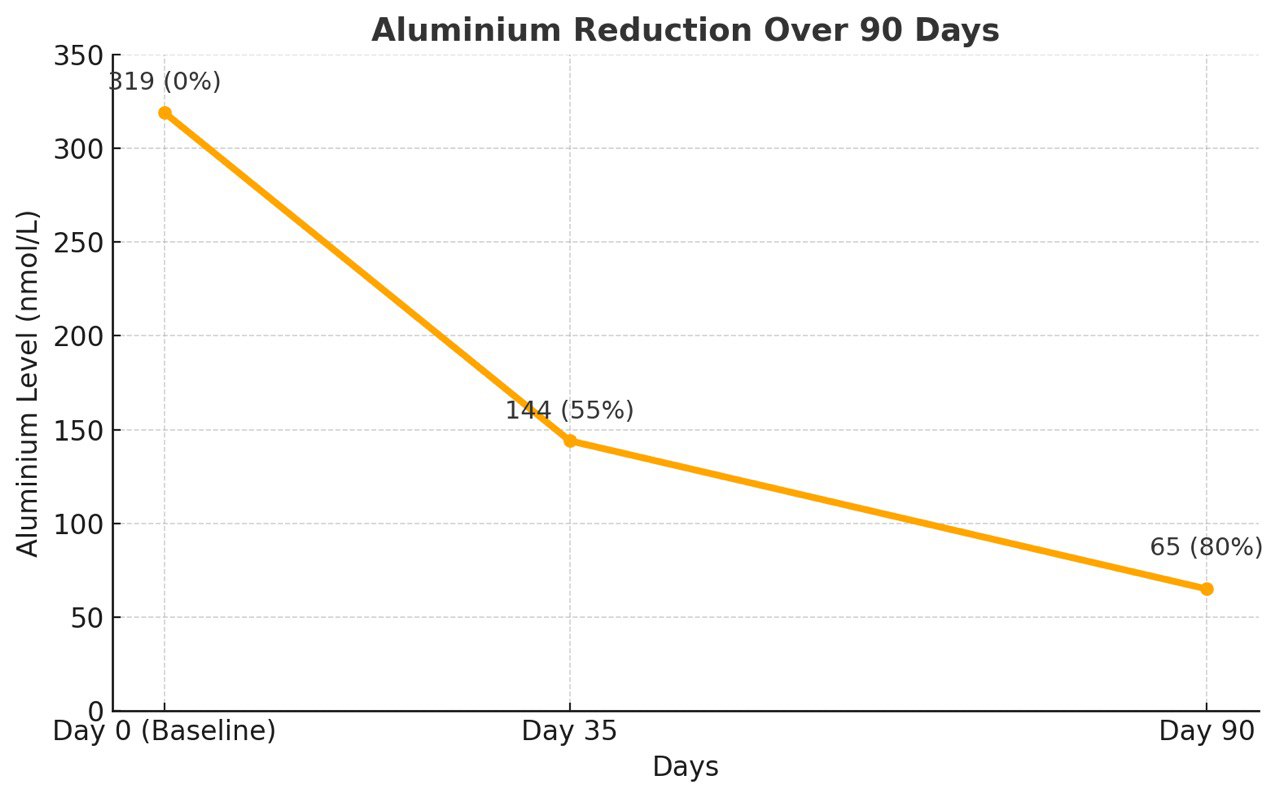
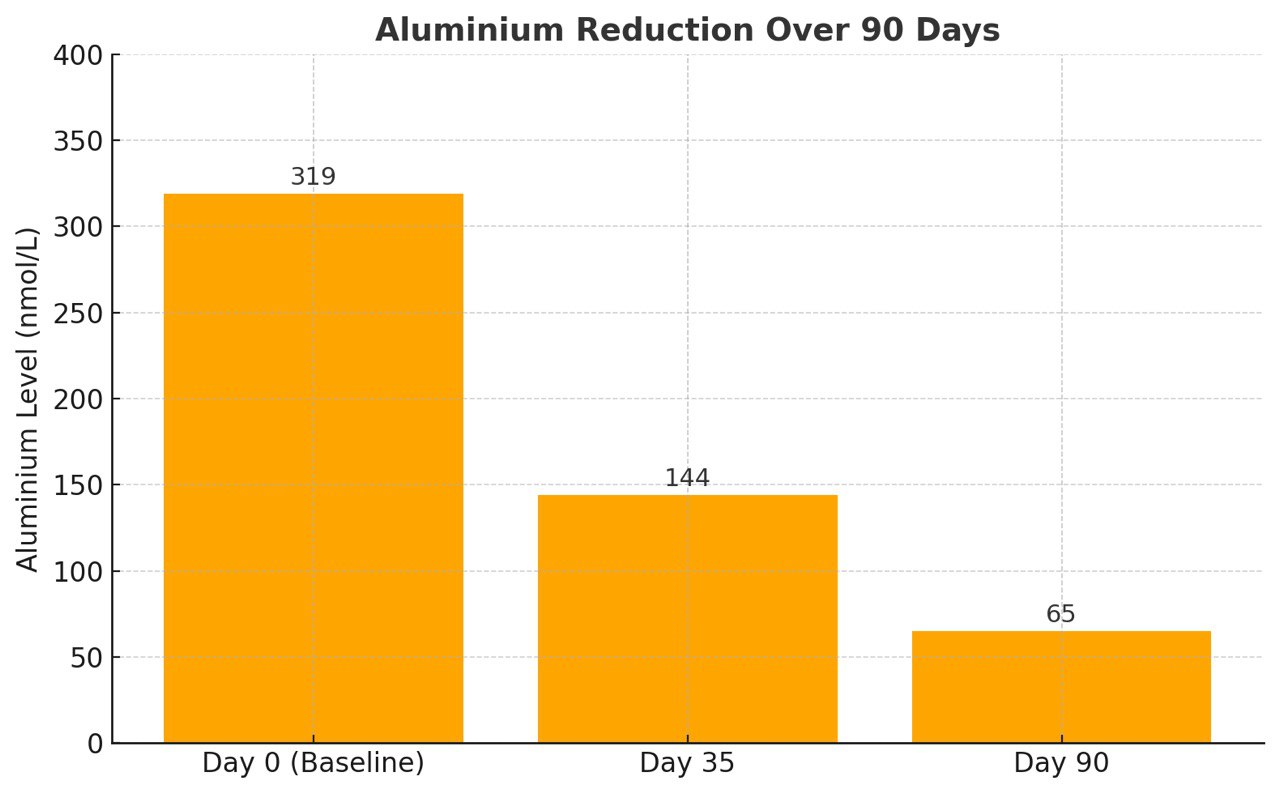
| Test Subject #1 | Test Subject #2 | Test Subject #3 | |
|---|---|---|---|
| 35 Days | 176.73 nmol/l Borderline | 97.07 nmol/l Tolerable | 157.68 nmol/l Borderline |
| 90 Days | 38.62 nmol/l Tolerable | 131.44 nmol/l Tolerable | 24.18 nmol/l Tolerable |
Aluminum iEC Blood Test Summary:
-
431.48 nmol/L was the combined 35-day total for all three test subjects.

-
194.24 nmol/l was the combined 90-day total for all three test subjects.
-
For Test Subject 2, there was a slight increase, but it remained within the tolerable range (below 149.99 nmol/l). As for the other two subjects, their levels shifted from borderline (above 149.99 nmol/l) to within the tolerable range.
Aluminum Urinalysis Baseline and 35 Days Of Taking MasterPeace
| Test Subject #1 | Test Subject #2 | Test Subject #3 | |
|---|---|---|---|
| Baseline | 39 ug/g Outside of Reference Range | 4.1 ug/g Within Reference Range | 2.1 ug/g Within Reference Range |
| 35 Days | 2.7 ug/g Within Reference Range | 2.5 ug/g Within Reference Range | 1.9 ug/g Within Reference Range |
Aluminum Urinalysis Summary:
-
45.2 ug/g was the combined Baseline total for all three test subjects.
-
7.1 ug/g was the combined 35-day total for all three test subjects.
-
This is an 84.2% reduction in Aluminum levels in urine averaged between three test subjects.
-
Test Subject 1 initially had levels outside the reference range but was subsequently brought into the reference range. In contrast, the levels of the other two subjects decreased but remained within the reference range each time they were tested.
What's The Deal With Aluminum And Natural Clinoptilolite Zeolite?
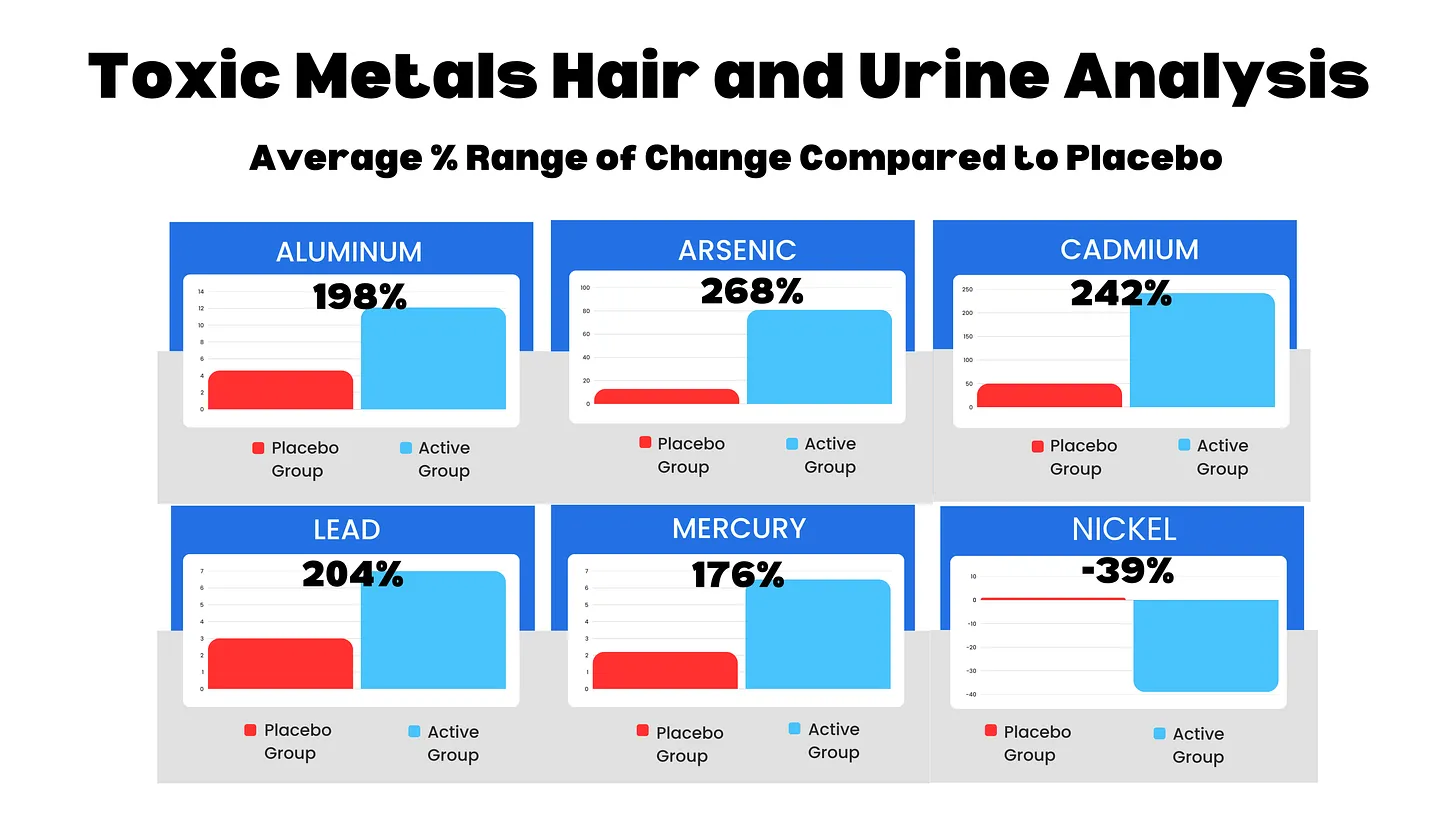
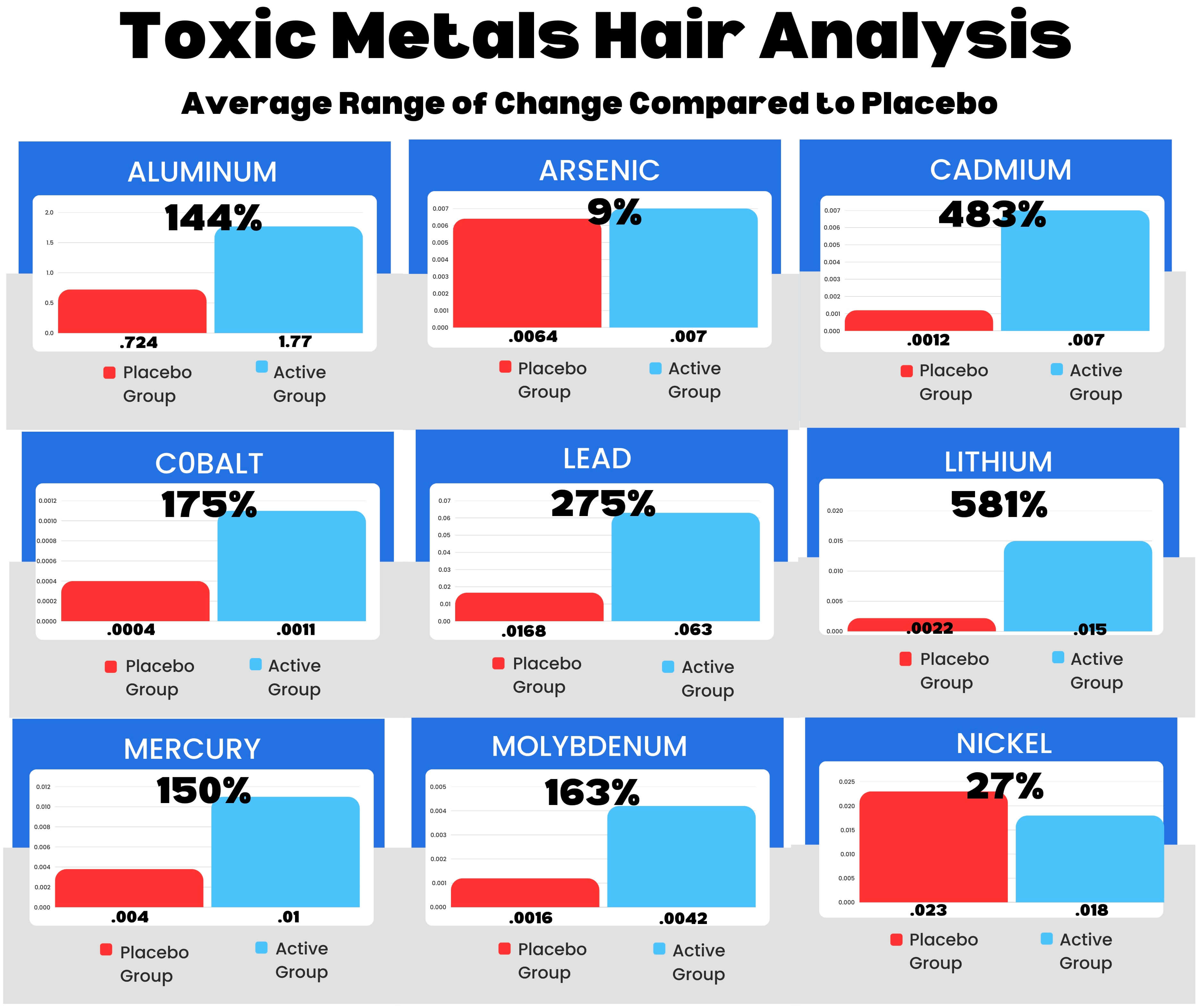
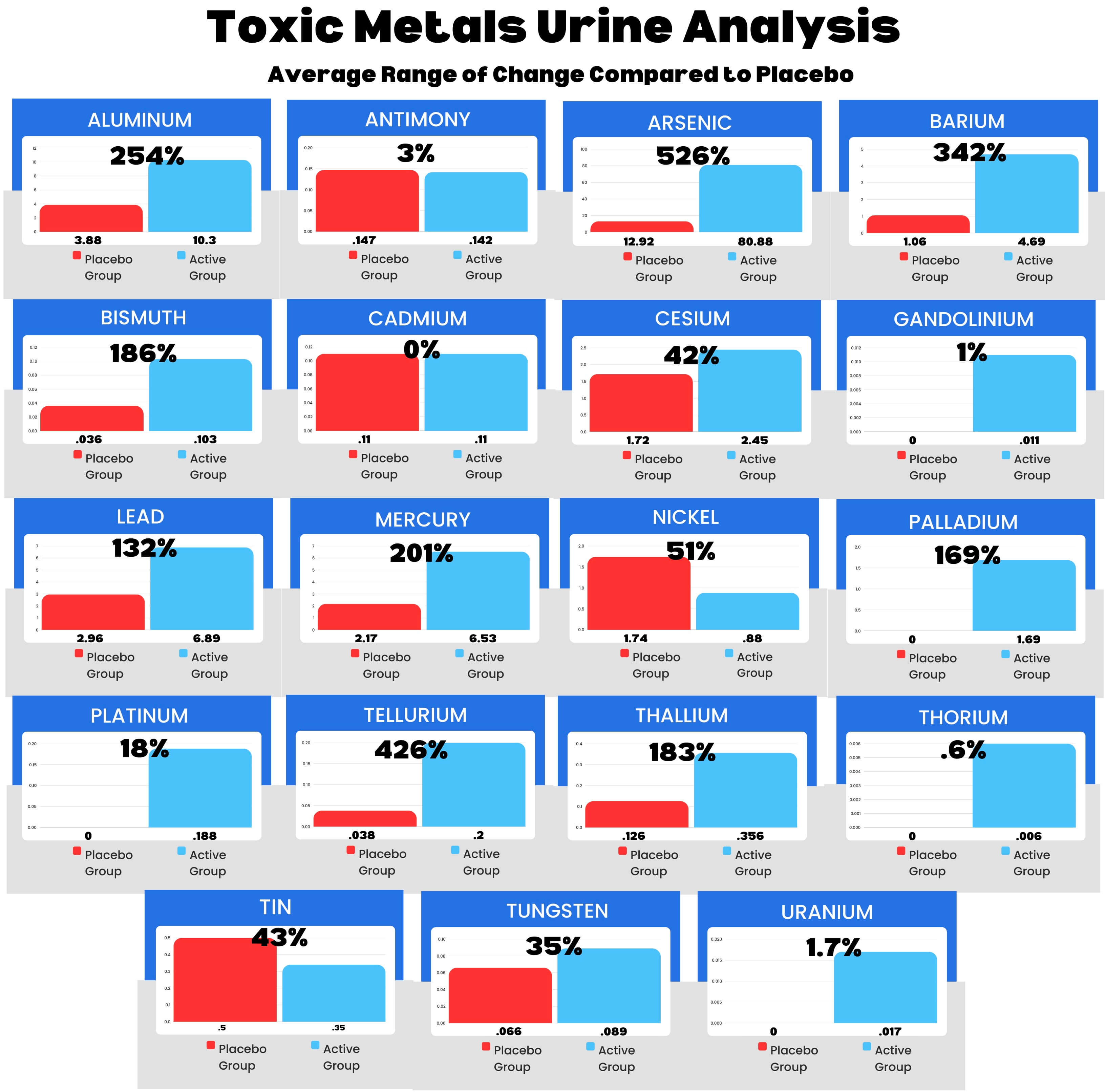
Click To Learn MoreFrom The MasterPeace 2nd Clinical Trial: Aluminum And Other Toxic Elimination Results.
These results “Astounded!” Leading Worldwide Hair Testing (HTMA) Expert Will Houghton.
Read All About The Study Here
Quote From The Above-Linked Full Article:
“If you look at the attached charts you will see that regardless of the tool used, hair or urine, there are more changes in the active groups (compared to the placebo groups). Those changes represent increases OR decreases. We expect to see both! With a study period of 120 days, you will see toxins going up through the routes of elimination. Or in the case of hair, a product of growth that captures the terrain of circulating interstitial fluid over a few months. What you get from hair is an average value for that period of time. Comparing a treatment group with a placebo group this way holds a lot of weight.”